
Every year during spring, Holi is celebrated as a symbol of happiness and togetherness. This festival brings the joy of throwing bright powders, sharing sweets, and dancing to music. One of the best things about the Holi festival is that people of all age groups participate and celebrate wholeheartedly.
Holi is one of the most exciting festivals for children. But while they enjoy the colours and sweets, parents should take a few precautions to keep them safe. However, one major concern for parents while celebrating Holi with kids is regarding safety. This is because commercial Holi colours contain harmful colours, artificial dyes, and toxic metals, which can cause skin allergies, rashes, respiratory issues, or eye irritation. That is why Holi safety tips for kids are very important for parents to know.
This blog will act as a complete safety guide for parents in terms of celebrating Holi with kids, so that adequate safety preparation can be ensured through in-depth knowledge and insights.
Know the Common Health Problems in Children Related to Holi
Here are some of the most common health problems in children that you need to be aware of before celebrating Holi:
Eye infections and injuries
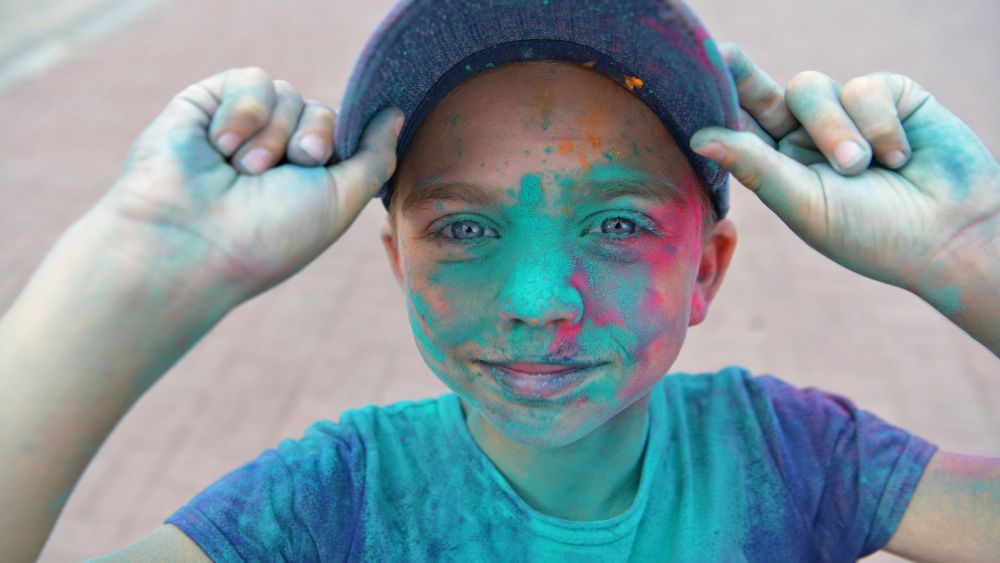
These are among the most common health problems children encounter while celebrating Holi. It has been observed that when colours enter the eyes, it can lead to swelling, conjunctivitis, and burning. In severe cases, temporary blindness can also occur when toxic dyes enter the eyes.
Skin allergies
This is caused by synthetic colours that contain harmful chemicals, such as mercury and lead. According to the top paediatricians, exposure of skin to such chemicals can cause rashes, itching, or redness. Since the skin of children is thinner, these harmful chemicals get absorbed easily. Thus, the occurrence of eczema or contact dermatitis is common in children during Holi celebrations.
Stomach infections
It has been observed that children eat sweets and snacks during the Holi celebration without washing their hands. Since their hands are colour-stained amidst the ongoing celebrations, the harmful chemicals are also consumed while eating sweets or snacks. This leads to abdominal pain, diarrhoea, or food poisoning.
Respiratory issues
Inhaling colours during is one of the major causes of asthma attacks in children. This is because the synthetic particles present in colours can make the airways inflamed. Thus, asthma attacks, bronchitis, and persistent coughing become a major health concern during and after celebrations. The symptoms of respiratory issues that need to be checked are wheezing and shortness of breath, especially in sensitive children. Children with asthma should wear masks or avoid dry-colored areas.
Physical injuries
Due to the use of water during Holi celebrations, the floor becomes slippery, which increases the risk of falls and bruises. This risk is higher among children because they tend to run around. On the other hand, children tend to throw water balloons, which in turn can cause blunt force injuries to the face, eyes, or head.
Dehydration and fatigue
Holi is played outdoors and during the daytime. This leads to high sun exposure, which, combined with physical exertion, leads to severe dehydration. In children, dehydration can be a major concern because they have smaller fluid reserves. You need to keep a check on potential symptoms of dehydration in kids, such as extreme fatigue, dizziness, and dry mouth.
Sunburn and heat stroke
Since holi celebration stretches from morning till evening, prolonged sun exposure can cause severe sunburn in children. In the hot and humid regions, such as Siliguri, the chances of heatstroke due to excessive sun exposure are high. You need to keep a check on your child’s body temperature because high body temperature can be an indicator of heat stroke.
Throat and ear problems
Children often play with pichkaris and water balloons, which can lead to water entering the ears. This can cause infections or blockages in the ear. On the other hand, accidental ingestion of dry colours can cause throat problems. In addition, dry colours inside the throat can lead to swallowing problems and infections.
When Should You Consult a Paediatrician?
Although health concerns in children due to Holi celebrations can be addressed at home with proper care, certain flags require immediate attention from a top paediatrician near you. Here are some of the most common situations when you should seek assistance from the best child doctor in Siliguri or your nearby location:
Wheezing or experiencing difficulty in breathing
If you notice rapid breathing in your child or a whistling sound while he or she breathes, then it is highly advisable to consult a paediatrician. This is because the synthetic particles in gulal can block the airways and cause breathing issues in children.
Persistent or high fever
This situation is based on your child developing a fever above 101°F that is persistent and does not reduce with medications. In addition, if your child is experiencing a lower-grade fever for a few days after the Holi celebration, then you should consult a child specialist. This is because an underlying bacterial infection can be a reason behind such increased body temperature.
Symptoms of severe dehydration
If your child has not urinated for more than 8 hours or is experiencing excessive dry mouth, along with showing extreme lethargy, then it might be an indicator of severe dehydration. You must not ignore or delay seeking medical help if you notice such symptoms in your child during and after Holi celebrations.
Severe abdominal pain and vomiting: This is based on your child experiencing severe and persistent abdominal pain, which might be caused by accidental colour ingestion or contaminated water. In addition, if your child is vomiting after eating snacks and sweets, you should rush to a nearby paediatrician.
Swelling or redness in the eyes
If your child is experiencing eye irritation that does not go away even after rinsing with water, it needs immediate medical attention. In addition, if you observe swelling of the eyes or pus-like discharge, then an immediate consultation with a paediatrician becomes mandatory because it can be due to chemical conjunctivitis or corneal abrasions.
Ear pain or blockage
When water enters the ear during Holi celebrations, it can lead to the development of “swimmer’s ear”. The symptoms to watch out for are loss of hearing and fluid drainage. By consulting a trusted child specialist doctor near you, you can significantly reduce the risk of eardrum damage.
Dr. Sumita Mishra is a trusted pediatrician in Siliguri with over 10 years of experience in child healthcare. She specializes in preventive pediatric care, childhood infections, and allergy management. If you observe any of the above symptoms in your child during or after Holi celebrations, you should consult a pediatrician immediately. Parents in Siliguri can consult Dr. Sumita Mishra for expert child healthcare and timely medical guidance.
Holi Safety Checklist for Kids
Here is a complete Holi safety checklist for kids:
Safety preparation before playing
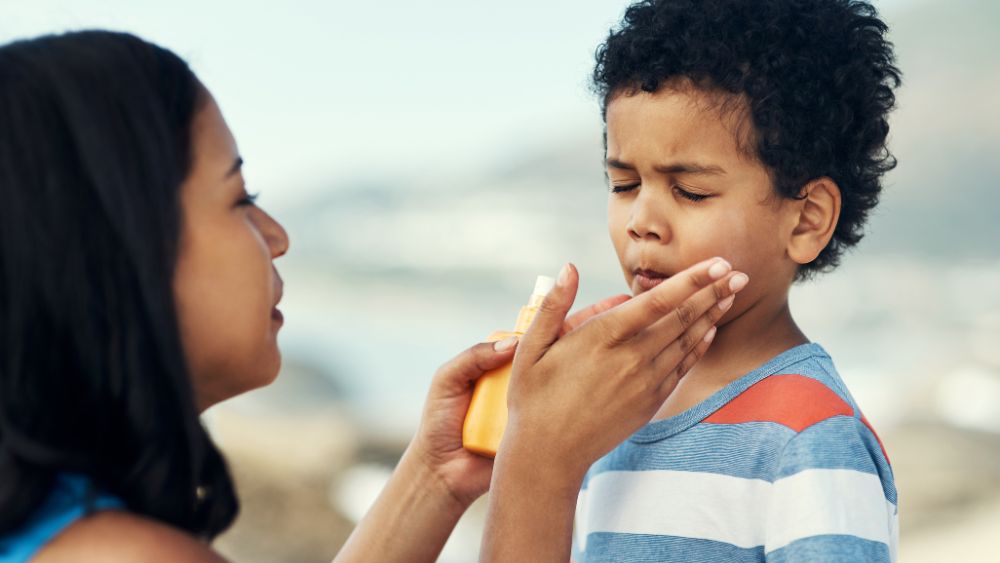
- Purchase organic colours that prove to be skin-friendly and natural. Organic colours generally use herbal ingredients, which help in avoiding rashes and allergies.
- Apply olive oil, coconut oil, or a thick moisturiser to the hair and skin to act as a shield.
- Make your kids wear cotton full sleeves and light coloured clothes to ensure maximum sun protection, which in turn reduces the chances of heat stroke.
- Use sunglasses or protective glasses to ensure that colour does not get inside the eyes.
- Apply sunscreen before stepping out to play so that sunburn can be reduced.
Safety measurement during play
- Prohibit playing with water balloons or pichkaris because these can cause injuries.
- Teach your kids not to put colours directly on sensitive areas such as the eyes, nose, and mouth.
- Keep your child hydrated in between play by offering water, juices, or lemonades because children often forget to drink water during play.
- Keep the playing area dry to ensure that your child does not fall and get hurt.
- Teach manners to your child in terms of not putting colours on someone if they are not willing to participate.
Clean up and care after play
- Rinse with lukewarm water after play and apply a mild soap to remove colour.
- Do not scrub your child’s skin harshly, as it can irritate the skin.
- Apply moisturiser or olive oil after a bath to soothe the skin.
- Make your child wash their hands properly with soap before eating any snacks or sweets.
Final Thoughts
Safe celebration of Holi needs to be prioritised, especially for kids, because they are vulnerable to health issues caused by synthetic colours, strenuous outdoor play, and unhygienic eating practices. Thus, the key is to follow the Holi safety tips for kids mentioned in this blog. In addition, continuous monitoring and supervision of kids’ play is highly recommended to ensure prompt response during any incident.
On the other hand, immediate consultation with one of the best paediatricians, such as Dr Sumita Mishra, can help in avoiding long-term health consequences in your child if you observe any red flags mentioned in this blog. Therefore, in case of any emergencies, do not forget to consult the best child doctor in Siliguri or a location of your convenience.

 02-03-2026


